Força Aérea Russa

  • 248 Respostas
  • 127394 Visualizações
*

Lusitano89

  • Investigador
  • *****
  • 27764
  • Recebeu: 3772 vez(es)
  • Enviou: 271 vez(es)
  • +1922/-1813
Re: Força Aérea Russa
« Responder #240 em: Agosto 04, 2023, 09:09:44 am »
 

*

Lusitano89

  • Investigador
  • *****
  • 27764
  • Recebeu: 3772 vez(es)
  • Enviou: 271 vez(es)
  • +1922/-1813
Re: Força Aérea Russa
« Responder #241 em: Agosto 08, 2023, 08:30:13 pm »
 

*

Lusitano89

  • Investigador
  • *****
  • 27764
  • Recebeu: 3772 vez(es)
  • Enviou: 271 vez(es)
  • +1922/-1813
Re: Força Aérea Russa
« Responder #242 em: Setembro 08, 2023, 08:06:43 pm »
 

*

Cabeça de Martelo

  • Investigador
  • *****
  • 24681
  • Recebeu: 4929 vez(es)
  • Enviou: 3455 vez(es)
  • +4029/-4755
Re: Força Aérea Russa
« Responder #243 em: Abril 17, 2024, 12:01:04 pm »
The russian 'Stealth' Was Fake: Research Shows no Radar-Absorbent Coating on Kh-101 Missile
~
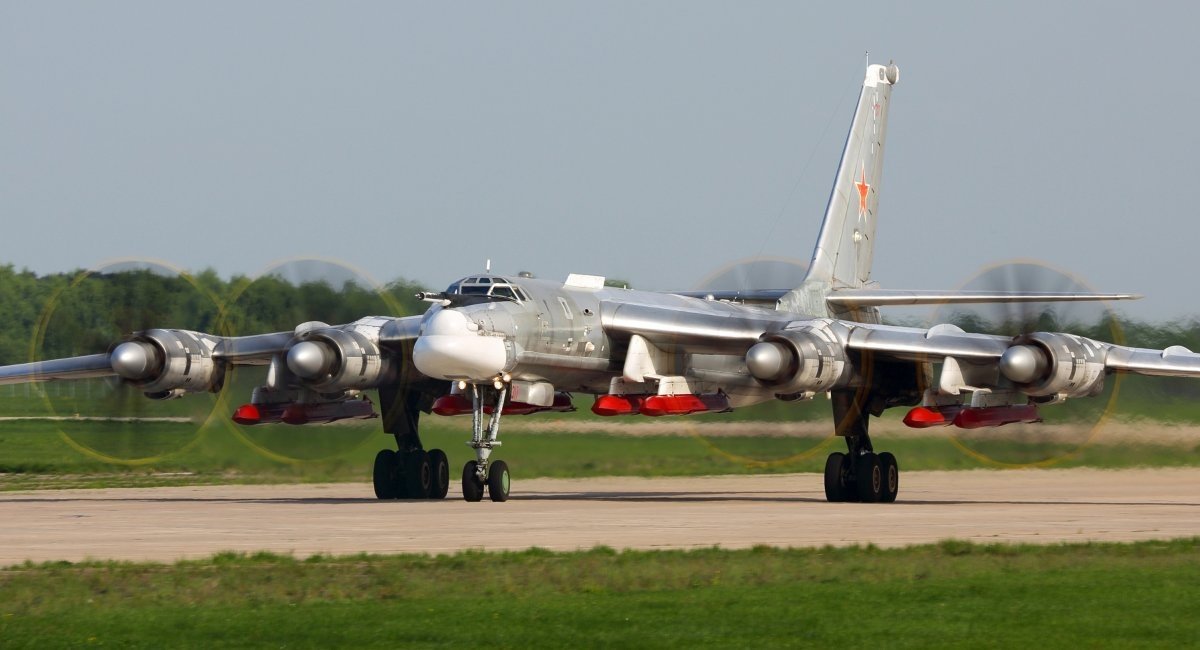
Tu-95MS bomber with Kh-101 missiles under its wings / Open source illustrative photo

Out of three stealth technology components, the Kh-101 cruise missile has only one, the body geometry, but then again, sloppy and barely any effective

The russian federation did not manage to replicate the process of making radar-absorbent materials (RAM) to make their aerial vehicles less detectable for enemy surveillance systems. Ukrainian researchers from a specialized design bureau examined the coating of the Kh-101 missiles downed in Ukraine, the report on their findings was obtained by Defense Express.

The results of research show that despite russian claims, Kh-101 is not covered with a special paint that reduces reflection of radiation. This kind of paint is one of the integral components of the stealth technology, along with the peculiar "angular" form of the hull and the use of radio wave transparent materials.
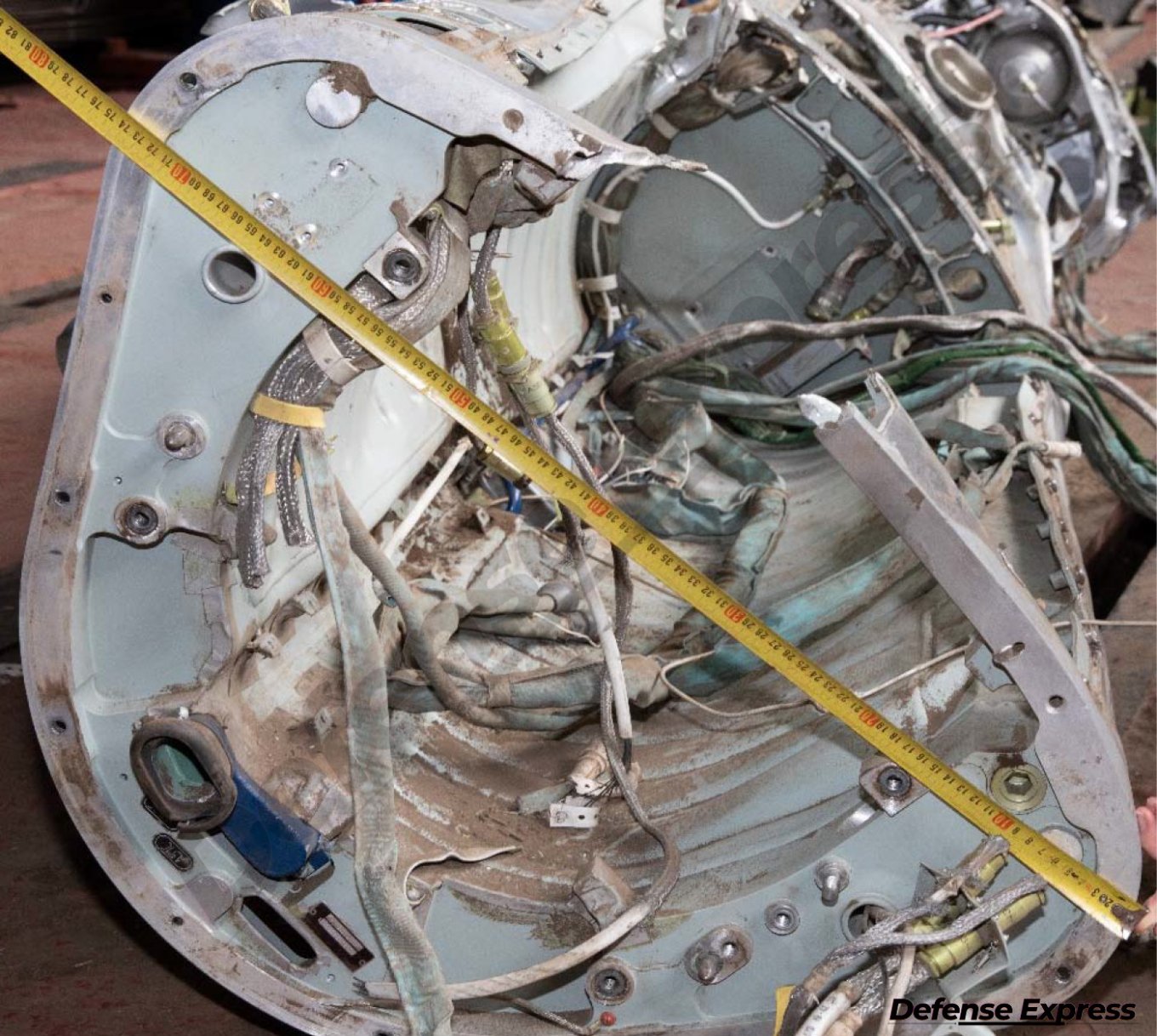


Firstly, the bodies of the examined Kh-101 missiles themselves were made of aluminum alloy with some elements made of stainless steel. The share of composite materials in the body of a cruise missile is insignificant, they are used only in aerodynamic rudders and in coverings for sockets with radio systems, such as the radar altimeter and the satellite guidance receiver.
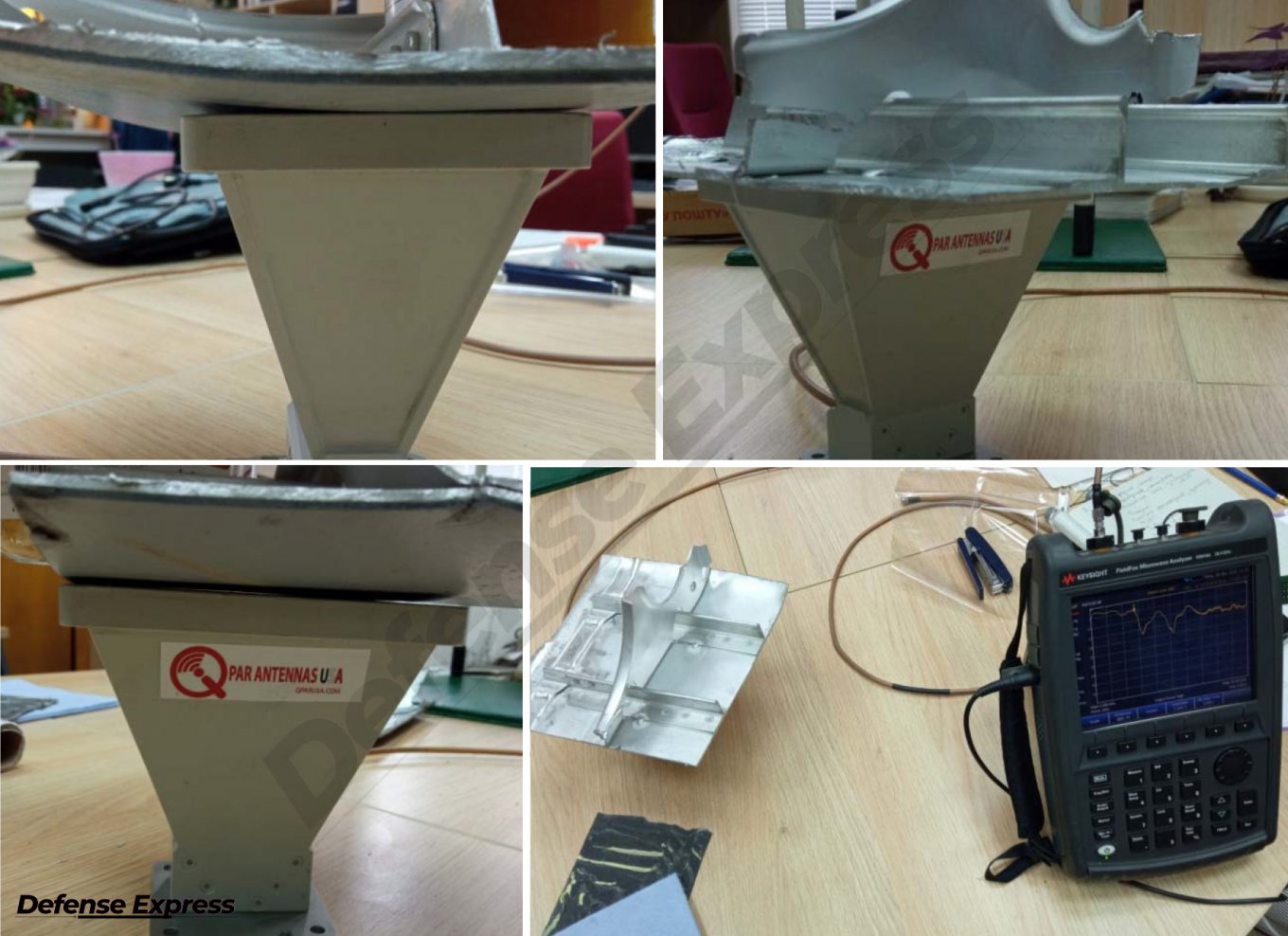


Secondly, they measured the reflection coefficient of the Kh-101 surface and proved that it in no way affects the visibility of the rocket in the radio spectrum. Thirdly, the missile body is not even intended to do so, because even if it had such properties, the walls are too thick to have an absorbing effect in the frequencies that radars operate in – 2 to 12 GHz.


In other words, all the russian stories about RAM coating on the Kh-101 body turned out to be nothing but propaganda. This, in turn, raises questions about the coating of their new Su-57 fighter.

However, an important feature is that the outlines of the Kh-101 body are actually created with the intent to minimize radar signature facilitated by the missile's low-altitude flight path. By flying low, the missile has a naturally, due to physics, reduced detection range limited by the radio horizon.
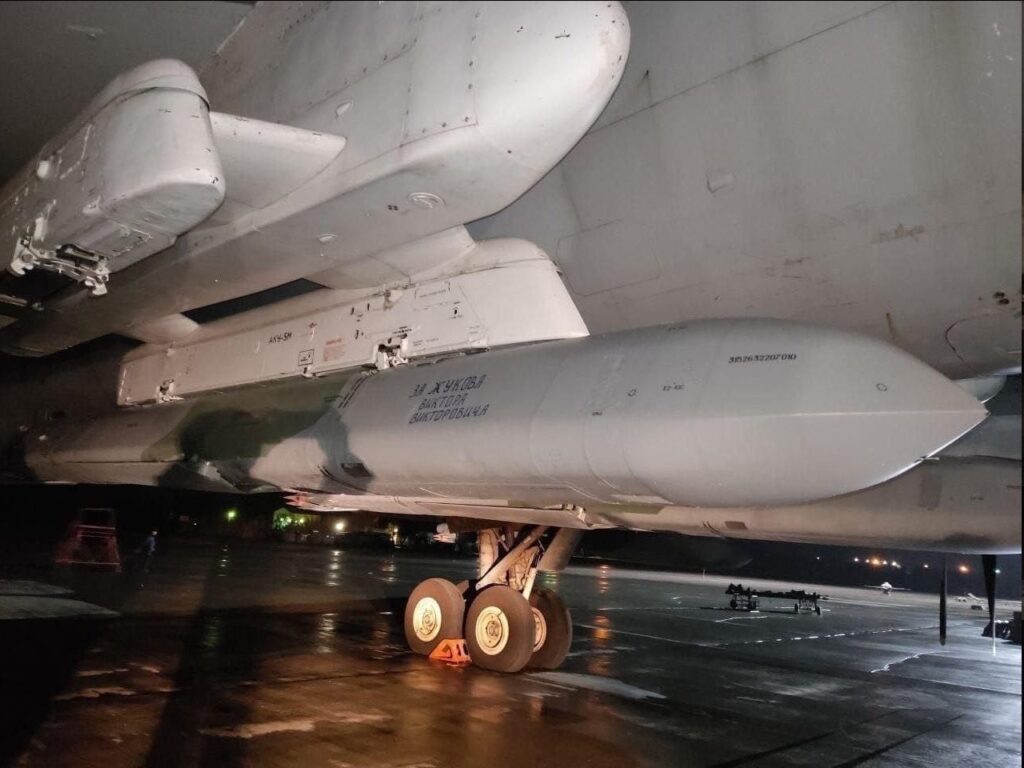

Kh-101 missile / Open source illustrative photo

Nonetheless, these findings about the Kh-101 are another example of the russian way of following the "cargo-cult" of stealth technology, which is characterized by ignoring radar-absorbing paint and radio-transparent materials and using just one, the most simple element. Although the Kh-101 missile still does not adhere to the principle thoroughly since it has its engine placed externally.

https://en.defence-ua.com/weapon_and_tech/the_russian_stealth_was_fake_research_shows_no_radar_absorbent_coating_on_kh_101_missile-5966.html
Contra a Esquerda woke e a Direita populista marchar, marchar!...


*

Get_It

  • Investigador
  • *****
  • 2620
  • Recebeu: 715 vez(es)
  • Enviou: 500 vez(es)
  • +873/-833
Re: Força Aérea Russa
« Responder #244 em: Setembro 12, 2024, 10:25:32 pm »
Vejam o artigo no InformNapalm, pois tem mais informação detalhada: https://informnapalm.org/en/french-equipment-thales-safran-for-russian-aircraft/.

French avionics keep Russian Su-30 flying despite sanctions
(12 de Setembro de 2024)
Citação de: Dylan Malyasov / Defence Blog
An investigation by the international intelligence community InformNapalm has uncovered a scheme that allows Russia to continue servicing its military aircraft, including Su-30SM fighters, despite Western sanctions.

The investigation highlights how Kazakh company ARC Group has been facilitating maintenance of Russian jets, using French aviation technology from companies Thales and Safran.

Russia's Su-30SM aircraft rely on critical avionics systems supplied by French manufacturers, including multifunction displays, navigation systems, and heads-up displays. The Su-30SM, which forms a key part of Russia's air force with around 130 units, lost at least 15 aircraft during the war in Ukraine. However, sanctions could have caused Russia to lose more if it were unable to maintain these aircraft's foreign avionics.

Documents obtained by InformNapalm reveal that ARC Group, a Kazakhstan-based company, has been bypassing sanctions by working with Russia to repair and maintain the French equipment. ARC Group reportedly employs certified specialists trained in servicing Thales and Safran systems. “Without this equipment, Russian pilots would be flying blind,” the investigation noted, emphasizing the importance of the French avionics to the aircraft’s operational capability.

InformNapalm's investigation shows that ARC Group signed contracts with Russian firm Rosaviatspeckomplekt in 2021, agreeing to repair French-made components for Russian Su-30SMs. Despite sanctions imposed after Russia’s invasion of Ukraine, the contracts remained active, with Kazakh specialists traveling to Russia to carry out maintenance tasks.

According to the findings, the Kazakh experts were trained by Thales in France and received certification to service the systems. "Between January and February 2023, our specialists completed theoretical and practical training at Thales for servicing avionics systems," ARC Group's director Aldanazar Saginbek stated in correspondence obtained through the investigation.

The findings raise concerns about the effectiveness of sanctions on Russia's military aviation industry and the role of third countries in facilitating the continued operation of Russian military equipment. The French companies involved, Thales and Safran, had previously announced they were exiting the Russian market following the sanctions. However, the investigation reveals that ARC Group continued to source equipment and expertise from France under the guise of serving Kazakhstan's own Su-30SM fleet.

This scheme also underscores the broader challenge of enforcing international sanctions when third parties are willing to act as intermediaries. InformNapalm has urged French authorities and international organizations to investigate and address these violations, warning of the long-term implications for global security if such practices are not curtailed. The full documentation of this investigation is expected to be released shortly.
Fonte: https://defence-blog.com/french-avionics-keep-russian-su-30-flying-despite-sanctions/

Cumprimentos,
« Última modificação: Setembro 12, 2024, 10:26:59 pm por Get_It »
:snip: :snip: :Tanque:
 

*

Get_It

  • Investigador
  • *****
  • 2620
  • Recebeu: 715 vez(es)
  • Enviou: 500 vez(es)
  • +873/-833
Re: Força Aérea Russa
« Responder #245 em: Dezembro 31, 2024, 11:11:03 am »

Russian military receives first UTS-800 trainer aircraft
(31 de Dezembro de 2024)
Citação de: Defence Blog
On December 28, 2024, the Ural Civil Aviation Plant (UZGA) in Yekaterinburg announced the delivery of its first two UTS-800 turboprop trainer aircraft to the Russian Ministry of Defense for further testing.

The delivered aircraft, identified by their red tail numbers "06" and "07," will be integrated into the flight testing program.

"These two serial UTS-800 aircraft will be used for flight testing. In both Soviet and modern times, the Ministry of Defense has lacked aircraft of this class in its educational institutions. Historically, cadets trained on jet-powered L-29 and L-39 models. Incorporating the UTS-800 into pilot training programs will substantially reduce training costs while maintaining high efficiency," the spokesperson said.

The UTS-800 is a localized variant of the DART (Diamond Aircraft Reconnaissance Trainer), a turboprop developed by Austrian aviation company Diamond Aircraft Industries GmbH. Since 2017, Diamond Aircraft has been under full control of Wanfeng Aviation Industry Co., Ltd., the aviation arm of China's Wanfeng Auto Holding Group, which specializes in automotive components.

The UTS-800 represents a shift toward turboprop platforms for initial and basic pilot training, diverging from the long-standing reliance on jet trainers.
Fonte: https://defence-blog.com/russian-military-receives-first-uts-800-trainer-aircraft/

Cumprimentos,
:snip: :snip: :Tanque:
 
Os seguintes utilizadores agradeceram esta mensagem: LuisPolis

*

Lusitano89

  • Investigador
  • *****
  • 27764
  • Recebeu: 3772 vez(es)
  • Enviou: 271 vez(es)
  • +1922/-1813
Re: Força Aérea Russa
« Responder #246 em: Julho 22, 2025, 11:37:04 pm »
 

*

Lusitano89

  • Investigador
  • *****
  • 27764
  • Recebeu: 3772 vez(es)
  • Enviou: 271 vez(es)
  • +1922/-1813
Re: Força Aérea Russa
« Responder #247 em: Julho 30, 2025, 10:11:38 pm »
 

*

LM

  • Investigador
  • *****
  • 3859
  • Recebeu: 1927 vez(es)
  • Enviou: 4907 vez(es)
  • +2838/-196
Re: Força Aérea Russa Novo
« Responder #248 em: Hoje às 02:27:04 pm »
Dois bombardeiros estratégicos Tu-22M3 das Forças da Federação Russa, a operar da Base de Dyagilevo, rumo a missão de treino ao largo de Novorossiysk, sobre o Leste do Mar Negro, 16Dez2025. Sob a fuselagem, missil de cruzeiro anti-navio Kh-22. Mais info e vídeo https://espada-e-escudo.blogspot.com/2025/12/federacao-russa-em-missao-de-treino.html


E - pegaram-me a tendencia - pedi à IA uma "interseção" com... uma FREMM Evo, apenas esta classe por acaso.  :mrgreen:


Citar
A FREMM Evo (Evolução) da Marinha Italiana (que entrou em produção recentemente) é uma das poucas plataformas na Europa capazes de lidar eficazmente com uma ameaça extrema como o Kh-22 (AS-4 Kitchen).

O Kh-22 é assustador porque não é um míssil "sea-skimmer" (rente à água) comum; ele sobe à estratosfera e mergulha sobre o navio a velocidades hipersónicas (Mach 4.6 ou ~5.600 km/h) num ângulo quase vertical.

Aqui está a descrição detalhada da defesa, camada por camada ("onion defense"), e a resposta específica sobre a ordem de uso das armas.

O Cenário Tático:

A "Kill Chain" Defensiva, a defesa não é aleatória; é uma sequência automatizada e lógica gerida pelo CMS (Combat Management System) SADOC 4.

1. Deteção e Rastreio (O "Cérebro" da Evo)
A grande diferença da FREMM Evo para as anteriores é o radar. Ela não usa apenas um radar rotativo; ela usa o novo Kronos Dual Band Radar (DBR).
O Sistema: Combina o Kronos Quad (Banda C) com o Kronos StarFire (Banda X). São radares de face fixa (AESA) que não precisam de girar para ver o alvo, permitindo um rastreio contínuo.
Ação: O Kh-22 é detetado a grande altitude (provavelmente a >200 km). O radar de Banda X (StarFire) é crucial aqui porque fornece a precisão necessária para guiar os mísseis contra um alvo pequeno e rapidíssimo a mergulhar do céu.

2. Primeira Camada: Defesa de Área (Hard Kill - Longo Alcance)
Arma: Míssil Aster 30 Block 1NT (New Technology).
Utilização: Esta é a arma primária. Ao contrário da crença comum, contra um alvo a Mach 4, a fragata não esperará para ver se o primeiro falha antes de lançar o segundo. A doutrina padrão contra ameaças supersónicas é o disparo "Shoot-Shoot-Look" (disparar dois mísseis quase simultâneos para garantir a interceção).
Detalhe Técnico: O Aster 30 atinge Mach 4.5 e usa um sistema único chamado PIF-PAF (pilotagem por força aerodinâmica + jatos de gás no centro de gravidade). Isso permite-lhe manobrar com forças G extremas na fase final, essencial para atingir um Kh-22 que pode tentar manobrar no mergulho final. Será sempre usado o Aster 30 primeiro. O Aster 15 tem um alcance muito mais curto (~30 km) e menos energia cinética para alcançar um alvo a grande altitude. Tentar usar um Aster 15 contra um Kh-22 no início do mergulho seria fisicamente impossível.

3. Guerra Eletrónica (Soft Kill - Durante todo o processo)
Enquanto os mísseis Aster voam, a fragata tenta confundir o radar do Kh-22.
Sistemas: Suite de Guerra Eletrónica da Elettronica (provavelmente a suite Zeus integrada).
Ação: O sistema emite sinais de empastelamento (Jamming) para "cegar" o radar de busca do míssil russo, ou cria alvos fantasmas eletrónicos para o desviar do navio real.

4. Segunda Camada: Defesa de Ponto (Hard Kill - Médio Alcance)
Se os Aster 30 falharem, o Kh-22 estará a menos de 20-30 km, cobrindo essa distância em meros 10 a 15 segundos.
Arma: Míssil Aster 15 (se houver tempo/disponibilidade) ou mais Aster 30.
Utilização: O Aster 15 é excecionalmente ágil. Nesta fase, o sistema dispararia o Aster 15 para intercetar o míssil já na sua fase terminal de mergulho.

5. Última Linha: O "Goalie" (CIWS - Curto Alcance)
Se tudo falhar, o Kh-22 está a menos de 5 km (menos de 4 segundos do impacto). Aqui, a FREMM Evo brilha com uma vantagem única italiana.
Sistema: Canhão Oto Melara 76/62mm Super Rapid com sistema Strales.
A Arma Secreta (DART): A maioria dos navios usaria um canhão rotativo (como o Phalanx) que dispara uma "nuvem" de balas "burras". A FREMM Evo usa a munição DART. É um projétil guiado por rádio. O radar da fragata "pilota" a bala de 76mm até ao míssil inimigo.
Porquê isto é vital? O Kh-22 é enorme (quase o tamanho de um caça F-16). Um Phalanx de 20mm poderia atingi-lo, mas a massa do míssil destruído ainda atingiria o navio por inércia. O projétil DART de 76mm tem carga explosiva suficiente para desintegrar ou desviar estruturalmente o míssil a 4-6 km de distância, garantindo que os destroços caiam na água e não no convés.

6. "Soft Kill" Final: Decoys
Sistema: Lançadores ODLS-20 (OTO Decoy Launching System).
Ação: No último segundo, lança foguetes de Chaff (nuvem de metal) e Flares avançados para tentar seduzir o míssil a desviar-se para a água no último instante.

Resumo da Ordem de Combate
Ordem, Distância do Alvo, Sistema Usado, Função
1   > 200 km, Radar Kronos DBR, Deteção e Classificação do mergulho
2   50 - 100 km, Aster 30 Block 1NT, Interceção primária (Shoot-Shoot)
3   Contínuo, EW Suite (Elettronica), Jamming do radar do míssil
4   < 20 km, Aster 15, Interceção secundária (se o Aster 30 falhar)
5   < 6 km, 76mm Strales (DART), Destruição física com munição guiada
6   < 2 km, Decoys ODLS-20, Última tentativa de desvio
7   < 1 km, Lionfish 30mm, Fogo de desespero (substitui os antigos 25mm)

Veredito: Contra um Kh-22, a defesa não é "um ou outro", é tudo ao mesmo tempo ou em cascata muito rápida. A FREMM Evo, com o radar DBR e a munição DART, tem provavelmente uma das melhores chances de sobrevivência do mundo contra este tipo específico de ameaça.

« Última modificação: Hoje às 02:57:26 pm por LM »
Quidquid latine dictum sit, altum videtur
 
Os seguintes utilizadores agradeceram esta mensagem: Duarte